
Build Outdoor Infrastructure
Turn Outdoor Assets Into Lasting Impact
Outdoor infrastructure shapes how people experience a place, and whether they choose to come back.
Trails, river access, bike parks, and connected systems don’t just appear. They’re the result of clear planning, strong partnerships, and thoughtful design.
If you’re looking to build or expand outdoor infrastructure in your community, here’s what it takes.
What We Mean By Outdoor Infrastructure
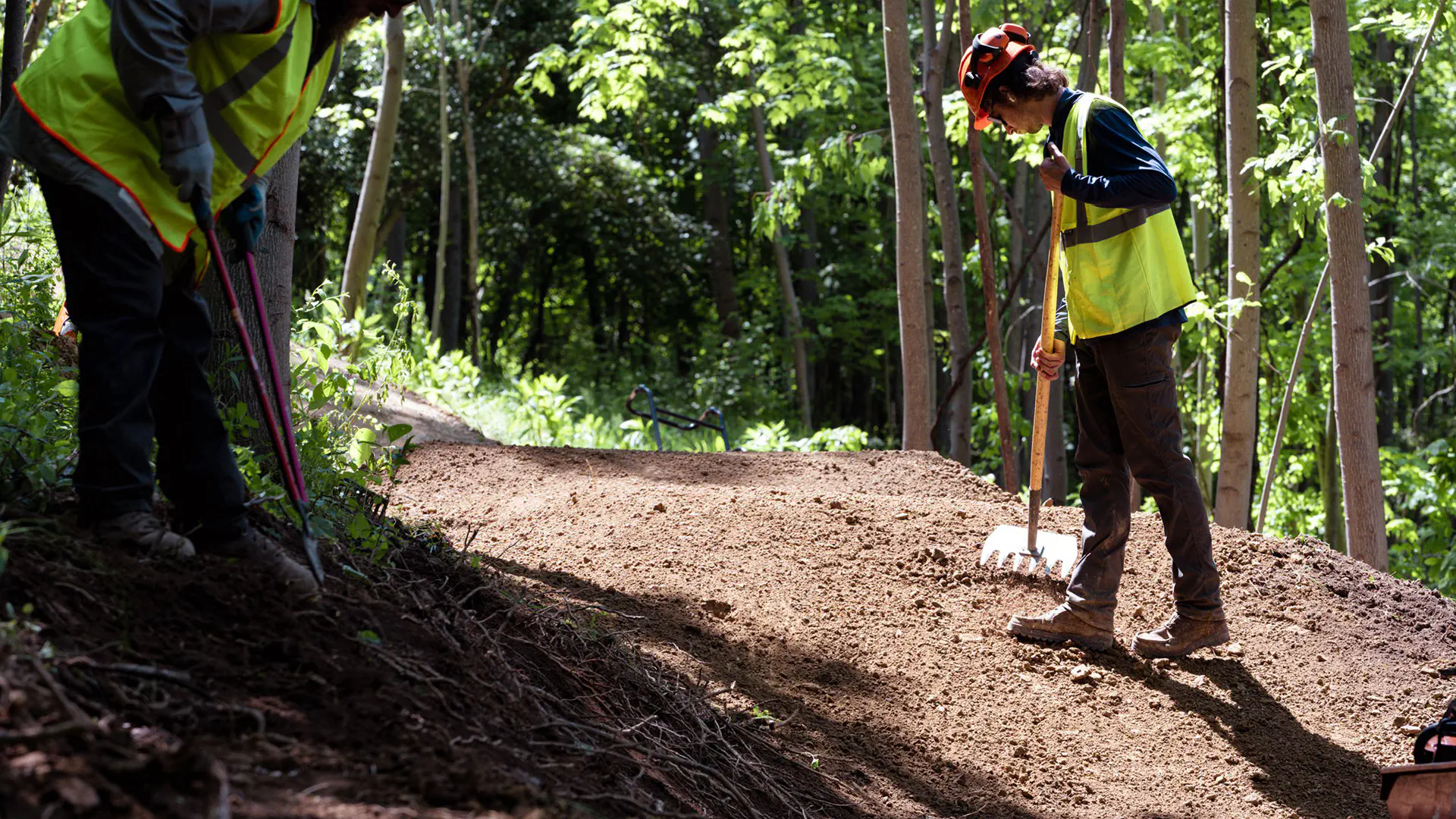
Outdoor infrastructure includes the physical assets that make outdoor recreation possible and accessible:
- Trail systems (hiking, biking, multi-use)
- Bike parks and skill areas
- Greenways and trail connections
- River access points and water trails
- Climbing access and recreation amenities
When done right, these aren’t just amenities. They become drivers of visitation, business growth, and community identity.
What It Takes
There’s no single path, but successful projects consistently follow the same building blocks.
Start With a Clear Vision
Before anything gets built, define what you’re trying to achieve.
- Who is this for? (locals, visitors, beginners, advanced users)
- What role does this play in your community?
- How does it connect to economic development goals?
Without a clear vision, projects can drift, stall, or miss their mark.
Align the Right People Early
Outdoor infrastructure is a shared effort.
Bring together:
- Local leadership
- Land managers
- Community stakeholders
- User groups and advocates
Early alignment reduces conflict, builds momentum, and keeps projects moving forward.
Plan Before You Build
Strong projects are grounded in thoughtful planning.
That includes:
- Identifying the right locations and opportunities
- Understanding land access and environmental constraints
- Mapping connections to towns, businesses, and existing assets
- Prioritizing phases based on impact and feasibility
Good planning turns ideas into projects that can actually be funded and built.
Design for Experience
Not all infrastructure serves the same purpose—and it shouldn’t.
Consider:
- Different skill levels and user types
- Progression (beginner to advanced)
- The kind of experience you want people to have
Intentional design creates systems people return to—and talk about.
Build for Longevity
If a project can’t be maintained, it won’t last.
Plan for:
- Long-term maintenance capacity
- Sustainable materials and design practices
- Realistic upkeep costs
Durable infrastructure protects your investment and your reputation.
Connect It to Economic Impact
Outdoor infrastructure works best when it’s connected to the broader community
Think about:
- Access to downtowns and local businesses
- Opportunities for events and programming
- How visitors move through your community
The goal isn’t just to build—it’s to create activity, spending, and long-term value.